When I see a National Park entrance sign my shoulders soften, my breathing slows, and a wave of happiness flows through me. These places and spaces are under attack and it’s making me angry. Construction of a border wall in Big Bend National Park, proposed sale of property to construct a private park entrance at Yosemite National Park, proposed Ambler Road construction in Gates of the Arctic National Park. Add to these activities, the dismantling of National Park Service (NPS) budgets, staffing, and educational displays changing the experience for visitors today and in the future. All while visitor numbers soar.
Yellowstone was established as the first national park in 1872, although Yosemite was already a state park and Hot Springs in Arkansas was a national reserve. Today the 63 National Parks and the 433 NPS units are considered by many an environmental and cultural achievement. Last year alone the NPS recorded 323 million recreation visits across the park system, with the Great Smokey Mountains National Park leading the other sites.
Until recently, I conceived that the National Parks were untouchable, secured under federal law for generations and transcendent in the political world because the NPS offers something recreational for everyone. I am naïve. Neither the law nor the values that I thought protected these places and spaces are immutable.
During I recent family trip to Big Bend National Park, I found myself researching the foundational law establishing protections for national parks. The National Park Service Organic Act states the purpose of the parks “to conserve the scenery, natural and historic objects, and wild life in the System units and to provide for the enjoyment of the scenery, natural and historic objects, and wild life in such a manner and by such means as will leave them unimpaired for the enjoyment of future generations.” 54 U.S.C. §100101(a). That’s not the only applicable legal principle, but it’s foundational and begs an important question: do the current events involving our NPS units, especially the parks, conform to this purpose? Emotionally, my heart says, “hell, no.” Intellectually, my brain observes that the statute leaves much to interpretation, exposing a treacherous fault line that these recent proposals are testing. Environmental groups are litigating the proposed activities, the censorship, and the related public lands developments. These cases may reshape the protections and define the limits of authority for the NPS units. https://www.npca.org/
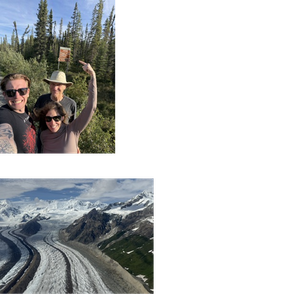
Within the next six months our family will enter our 40th National Park. My current favorite is Wrangell – St. Elias in Alaska. The same size as Yellowstone, Yosemite, and Switzerland combined, the rugged, remote landscape is best seen from a bush plane. The urgency to immerse and interact with these American places and spaces is high. If you feel, as I do, that your senses awaken and your stresses retreat upon arrival in these protected ecosystems, then go, explore, and defend our National Parks.